



Category
Patient Education

Bite Problems & Loose Teeth
About Bite Problems and Loose Teeth When the plaque on your teeth is not cleaned, periodontal disease can occur. Adults can lose their teeth due to plaque buildup, but this is only one of the reasons that may cause bite problems or loose teeth in adults. Bruxism, or tooth grinding, can cause these dental issues […]
READ MORE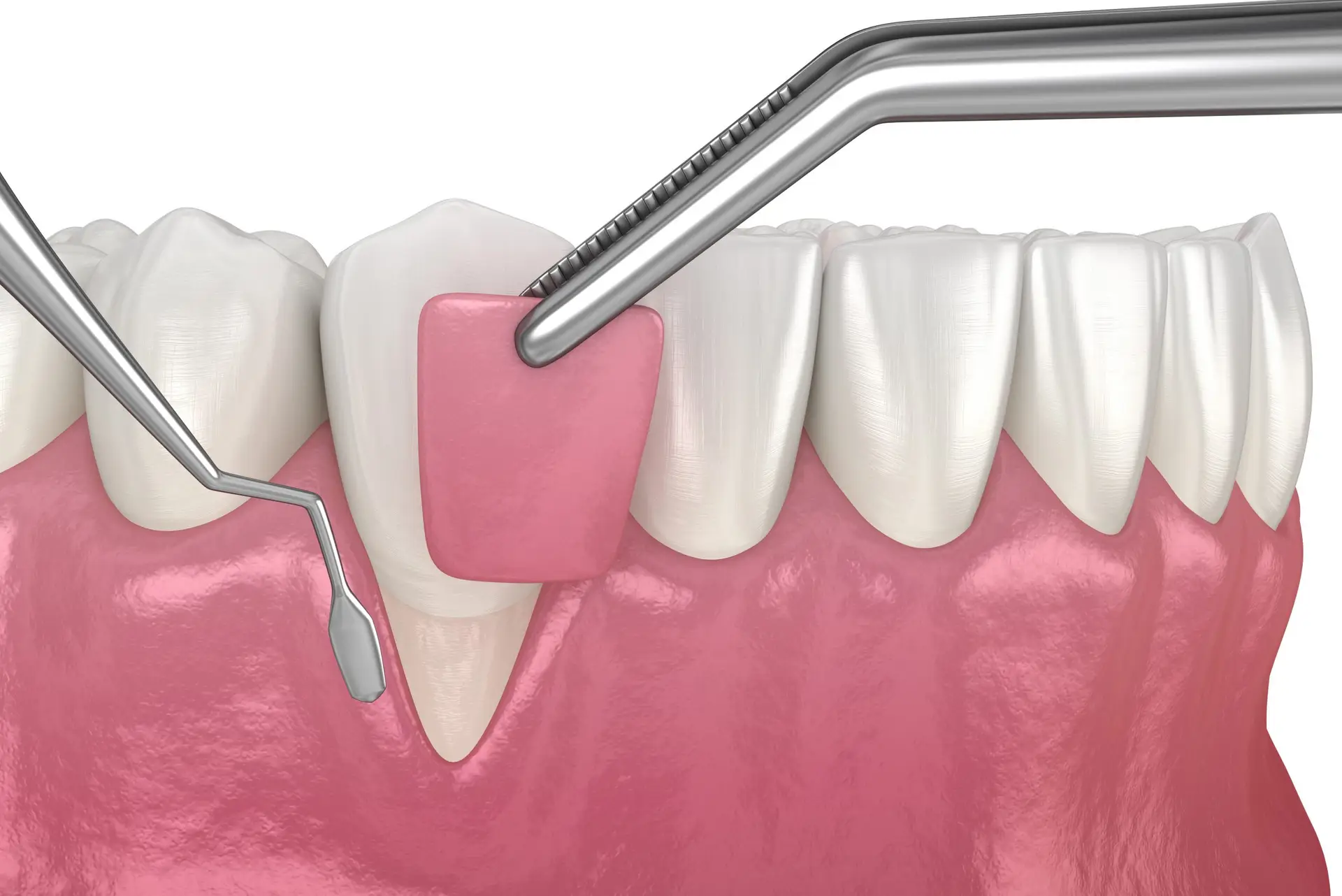
Gum Grafting
About Gum Grafting Gum grafting is the process where your periodontist removes pieces of tissue from your mouth or gums and transplants it to areas affected by the periodontal disease through surgery. Three methods may be used during gum grafting for the treatment of periodontal disease: connective-tissue graft, free gingival graft, and pedicle graft. Gum […]
READ MORE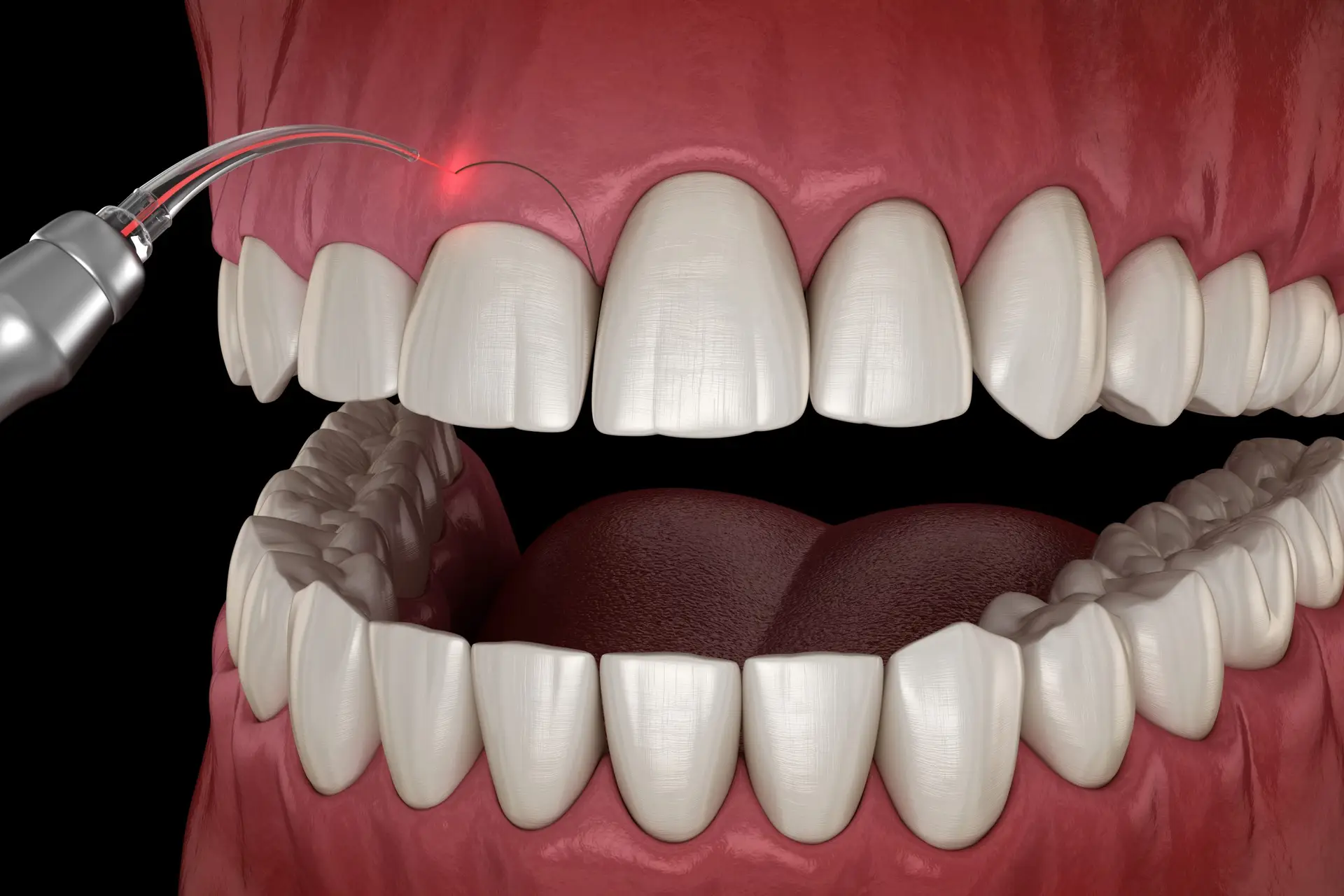
Cosmetic Gum Surgery
About Cosmetic Gum Surgery Cosmetic gum surgery, or gum contouring, is an elective procedure that can be used to reshape the gums and is usually completed in 1 to 2 hours in your dentist’s office using only a local anesthetic. While this is considered to be cosmetic surgery, gum surgery is also used in general […]
READ MORE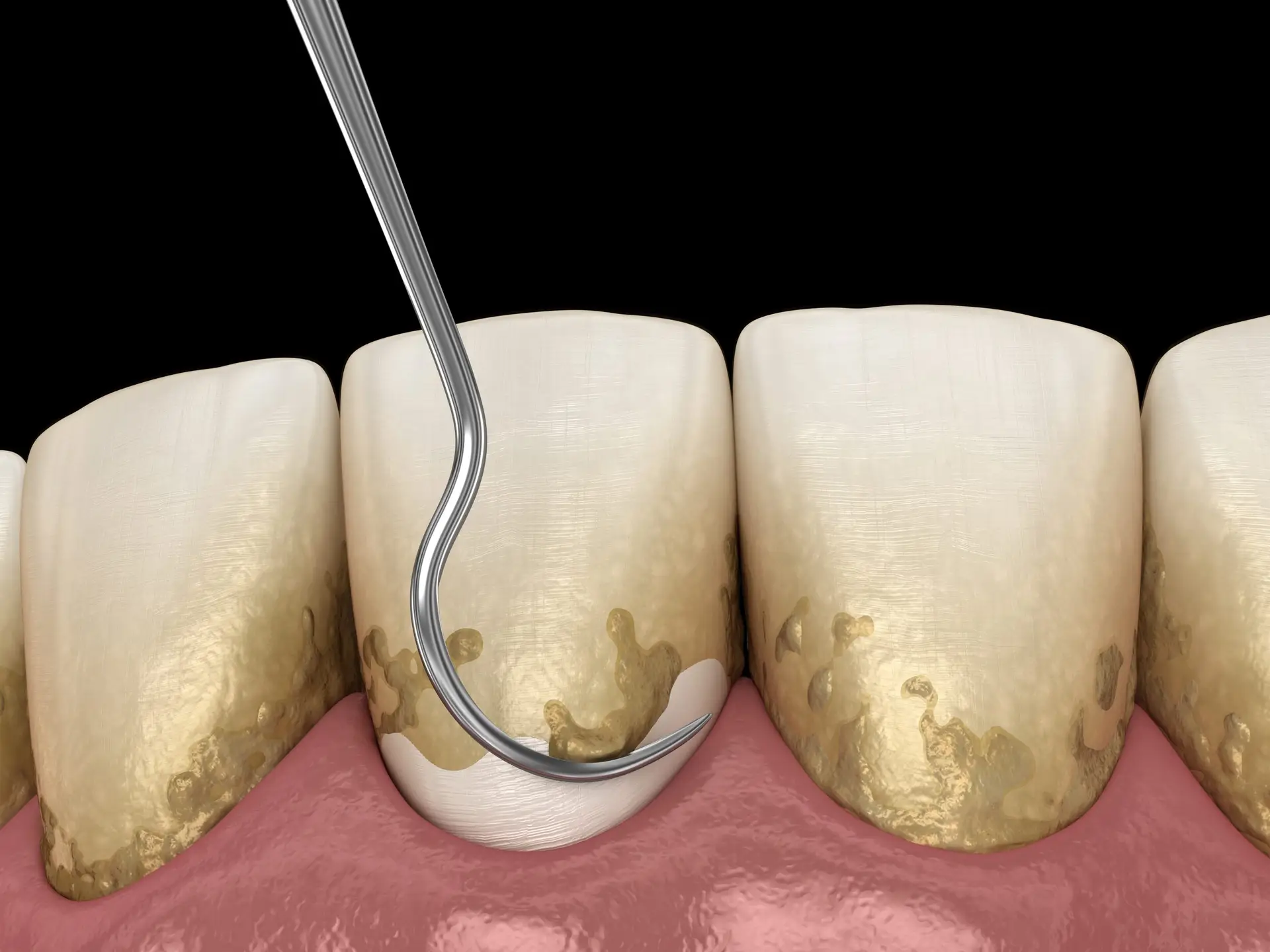
Periodontal Therapy
About Periodontal Therapy Periodontal disease, or gum disease, is treatable when detected at an early stage, so regular checkups are advised. You should follow your dentist’s recommendations for periodontal therapy, which may include laser-assisted periodontal therapy, as well as surgical and non-surgical techniques such as scaling and root planing or gum grafts. This is to […]
READ MORE
Your First Orthodontic Appointment
About Your First Orthodontic Appointment: What to Expect Gather all of your dental records, in advance and bring them with you on the first appointment. You’ll need to provide your list of medications and surgeries as well. Your orthodontist will examine your teeth, review your history, and determine how to proceed with treatment. They will […]
READ MOREOrthodontics & Oral Hygiene
About Orthodontics and Oral Hygiene Orthodontic patients of all ages using braces, Invisalign, or other appliances can benefit from a lifetime commitment to good dental hygiene. It is important that the patient maintain their teeth in proper alignment and health, so they do not develop cavities that may require extractions if left unchecked. Clean and […]
READ MORE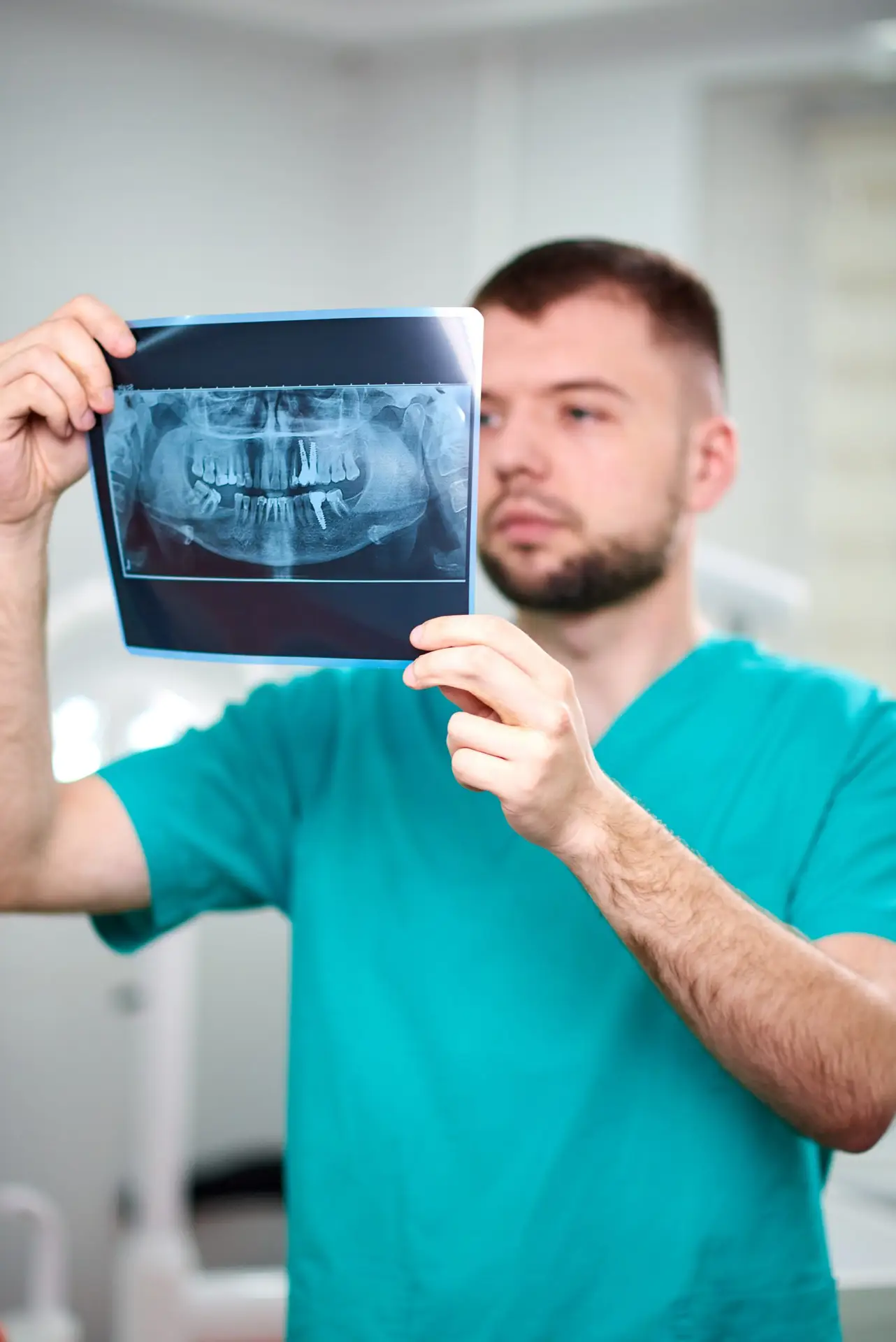
Orthodontic Concerns: An Overview
About Common Orthodontic Concerns: An Overview The period for orthodontic treatment is dependent on your specific needs. These treatments may take weeks but often can take up to a year or two, sometimes longer. Symptoms that may indicate the need for orthodontic treatments can include pain around or near the temporomandibular joint, or temporomandibular disc […]
READ MORE
Orthodontic Emergencies
About Orthodontic Emergencies Orthodontic emergencies can happen in many ways. For instance, they may include entrapment by braces or dislocation of teeth, as well as tooth injury from trauma. To help prevent orthodontic emergencies due to accidental trauma, be sure to wear a mouthguard when participating in high-risk activities such as sports. The best way […]
READ MORE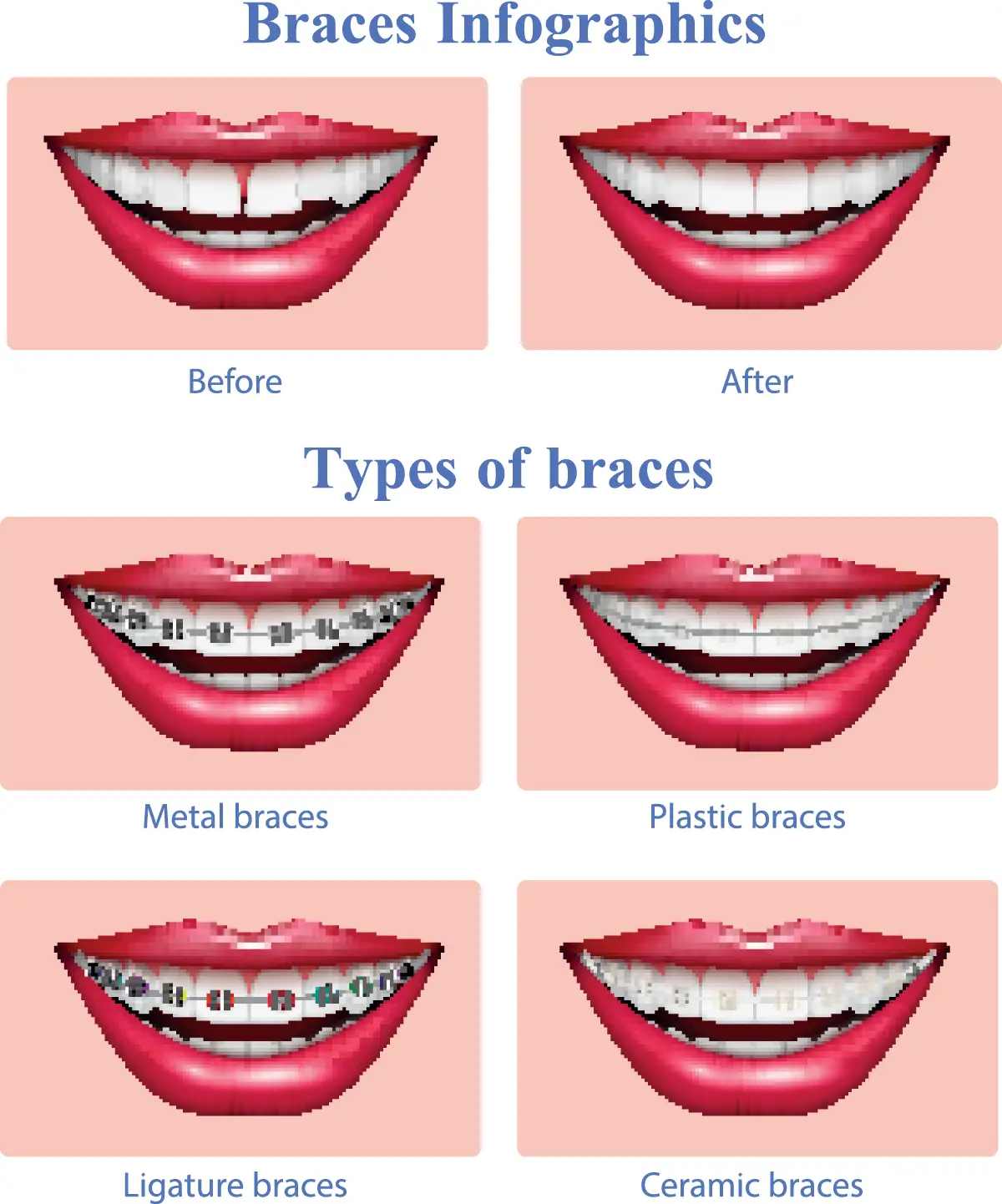
Types of Braces
About Types of Braces In the case of crowding, appliances are used to push teeth back into place. They come in various forms, including metal, ceramic, self-aligning, clear aligners such as Invisalign, and lingual braces. Most are fixed in place to help realign your smile. Some, such as Invisalign, are removable, though not everyone is […]
READ MORE
Post-Orthodontic Care
About Post-Orthodontic Care Post-orthodontic care is important for maintaining a beautiful smile, and it’s essential to the overall health of teeth. Research has shown that brushing after treatment helps improve your results, in addition to assisting in the prevention of tooth decay and gum disease. Proper oral hygiene is crucial to protect your teeth but […]
READ MORE
People First Dentistry
At People First Dentistry, serving Pinecrest, Kendall, Coconut Grove, Coral Gables, and other South Florida communities, we really do put patients first! Learn More

