


Categoría
Información para el paciente
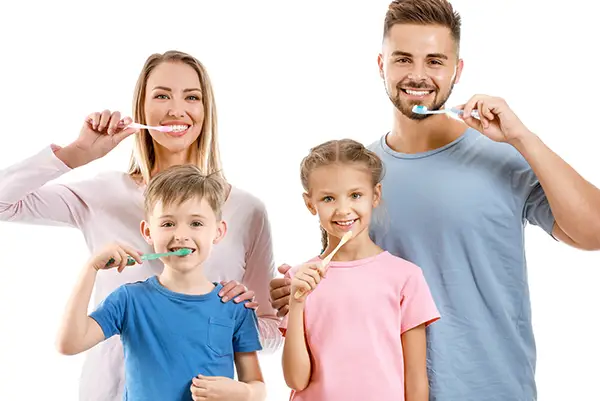
Cómo cepillarse los dientes
Cómo cepillarse los dientes: Los profesionales de la salud dental recomiendan cepillarse los dientes al menos dos veces al día. También se recomienda cepillarse los dientes después de las comidas. A continuación te explicamos cómo cepillarte los dientes correctamente para obtener los mejores resultados. Empieza con un cepillo de dientes seco y de cerdas suaves. Aplica pasta de dientes en las cerdas y cepilla con movimientos circulares durante dos o tres minutos, haciendo […]
MÁS INFORMACIÓN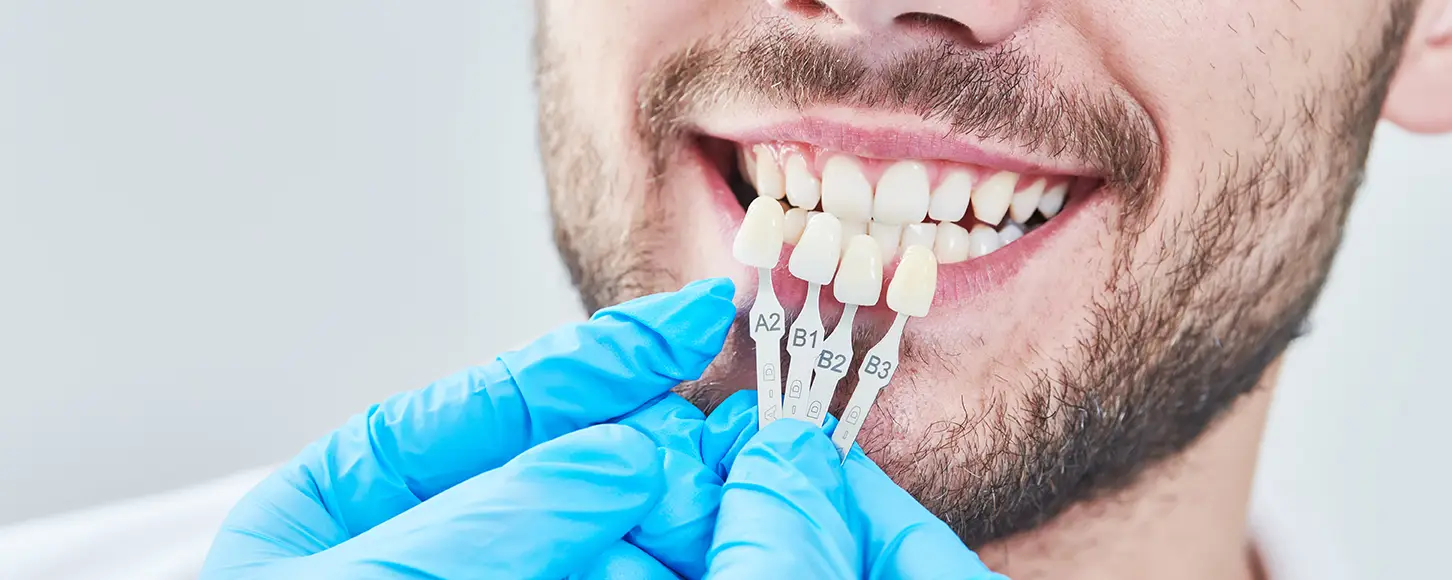
Higiene bucal
Acerca de la higiene bucal Uno de los aspectos más importantes para mantener la salud dental es la higiene bucal. La limpieza y el cepillado regulares pueden ayudar a prevenir la aparición de caries y enfermedades de las encías. Una higiene bucal adecuada en casa, combinada con revisiones y limpiezas periódicas con el dentista al menos una o dos veces al año, puede reducir […]
MÁS INFORMACIÓN
El estrés y los hábitos bucales
Acerca de los hábitos bucales y el estrés La boca humana contiene muchos órganos que trabajan conjuntamente para proteger y cuidar los dientes. Una de estas estructuras importantes son las glándulas salivales, que producen saliva y ayudan a la digestión de los alimentos. Cuando las personas sufren altos niveles de estrés, esto puede reducir la cantidad de saliva que producen […]
MÁS INFORMACIÓN
Odontología preventiva
Acerca de la odontología preventiva La odontología preventiva es una forma excelente de prevenir el riesgo de problemas dentales futuros y mantener una buena higiene bucal. Cepillarse los dientes después de cada comida, o al menos dos veces al día, puede ayudar a mantener la placa bajo control. El uso diario del hilo dental también garantiza unas encías más limpias. Tu dentista también puede recomendarte tratamientos preventivos, además de […]
MÁS INFORMACIÓN
El embarazo y la salud bucodental
Acerca del embarazo y la salud bucodental El embarazo puede ser un momento emocionante para ampliar la familia, pero también conlleva algunos riesgos importantes para la salud bucodental. Dado que las hormonas del embarazo aumentan los niveles de estrógeno, estas fluctuaciones pueden provocar caries o incluso pérdida ósea. Es fundamental mantener una alimentación adecuada mediante el consumo de vitaminas prenatales, así como […]
MÁS INFORMACIÓN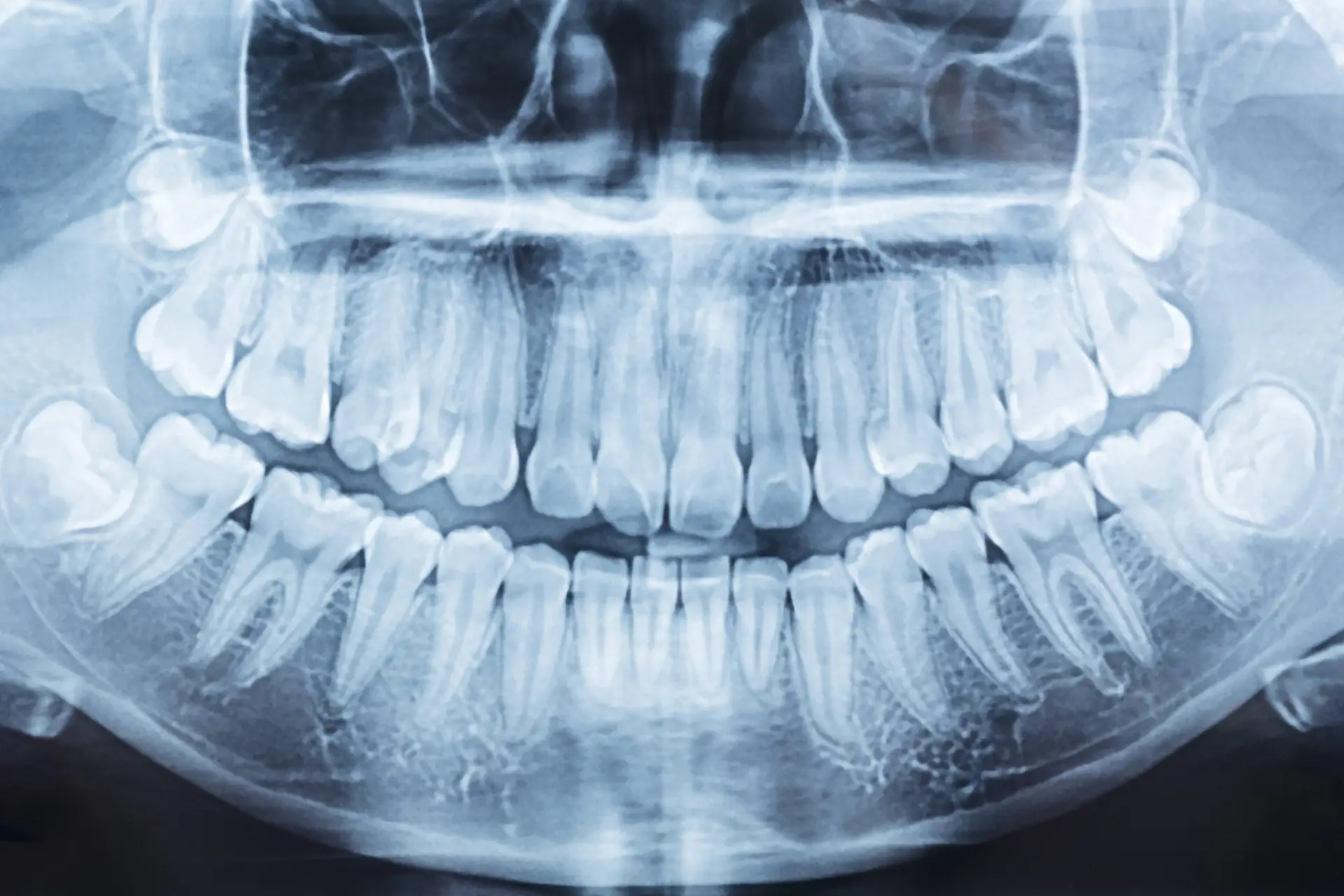
Osteoporosis y salud bucodental
Acerca de la osteoporosis y la salud bucodental La osteoporosis es una enfermedad que puede dañar los dientes y los huesos. La osteopenia, la primera fase de la osteoporosis, provoca una pérdida de masa ósea y aumenta el riesgo de desarrollar afecciones bucodentales como caries o inflamación de las encías. Tu dentista puede ofrecerte opciones para aliviar el dolor, así como […]
MÁS INFORMACIÓN
Piercings bucales
Acerca de los piercings bucales: Descuidar el cuidado de los piercings bucales puede provocar infecciones y posibles daños. La higiene bucal, como cepillarse los dientes dos veces al día con una pasta dental antibacteriana, limpiarse la lengua y utilizar enjuagues bucales específicos para piercings bucales, son formas excelentes de mantener el piercing y los dientes en buen estado. Es […]
MÁS INFORMACIÓN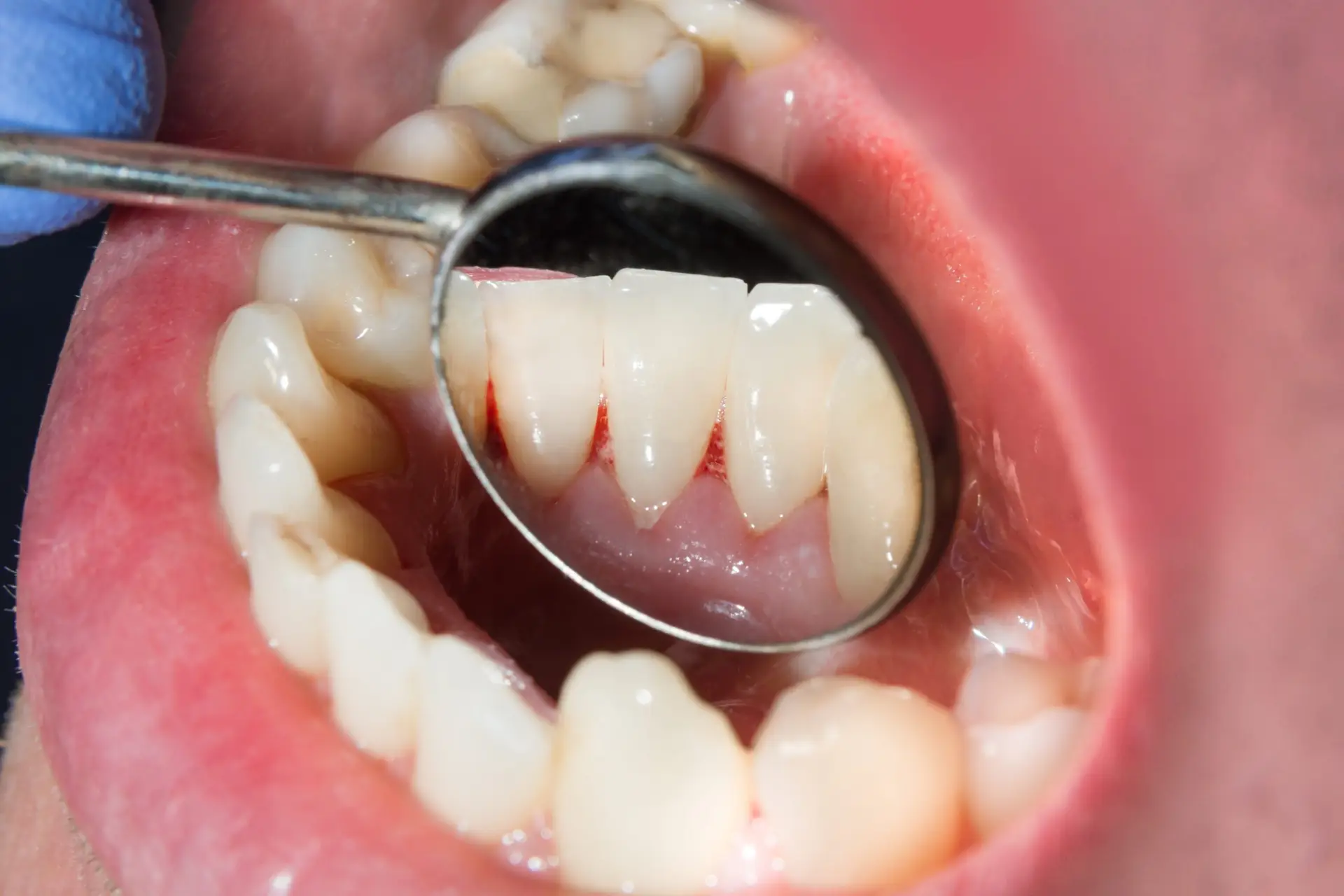
Cáncer oral
Acerca del cáncer oral: Los profesionales de la odontología suelen recomendar diversas opciones para el tratamiento del cáncer oral. Los suplementos de hierro pueden ayudar a reducir el riesgo de que la infección se extienda a otras partes del cuerpo, mientras que los fármacos de quimioterapia penetran profundamente en el tumor y destruyen las células cancerosas sin dañar las sanas circundantes. Su dentista colaborará con […]
MÁS INFORMACIÓN
Nutrición y salud bucodental
Acerca de la nutrición y la salud bucodental Una dieta poco equilibrada puede provocar problemas bucales. La salud bucodental depende de muchos factores diferentes, pero es importante tener en cuenta el impacto de una nutrición deficiente. No se debe confiar exclusivamente en el cepillado para protegerse contra la caries dental. Es necesario adoptar hábitos alimenticios adecuados […]
MÁS INFORMACIÓN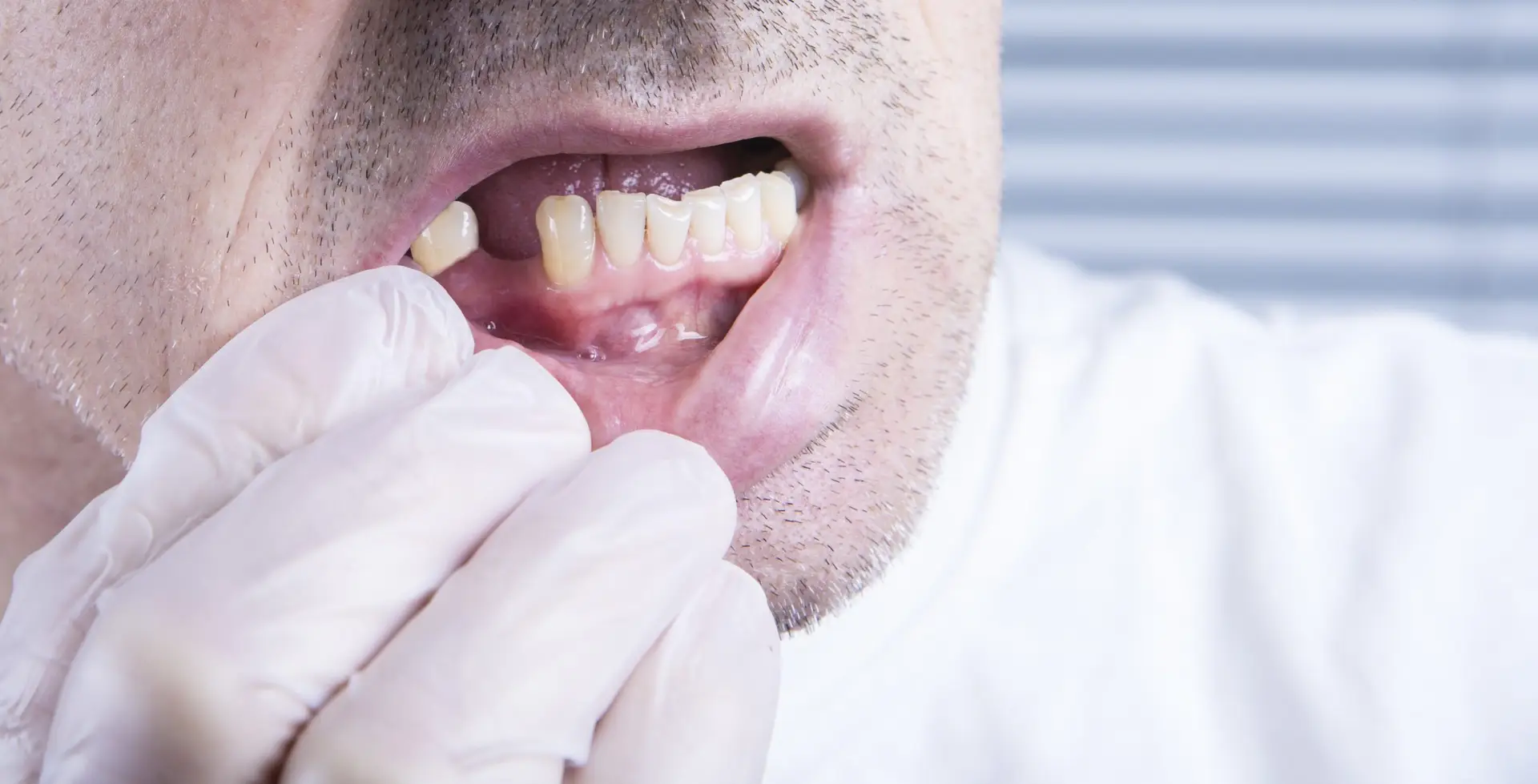
Dientes que faltan
Acerca de la pérdida de dientes Uno de los problemas dentales más comunes es la pérdida de dientes. Las causas pueden ser muchas, entre ellas los daños derivados de traumatismos —como lesiones deportivas y accidentes—, el desgaste natural y una alimentación deficiente. La pérdida de dientes puede provocar una serie de problemas dentales, como la pérdida de hueso maxilar, la alteración de la función masticatoria, problemas del habla y problemas estéticos […]
MÁS INFORMACIÓNOdontología centrada en las personas
En People First Dentistry, que presta servicio en Pinecrest, Kendall, Miami, Coral Gables y otras localidades del sur de Florida, ¡los pacientes son realmente nuestra prioridad! Conozca al Dr. Omar

