



Advanced Dental Technology for Patient Comfort
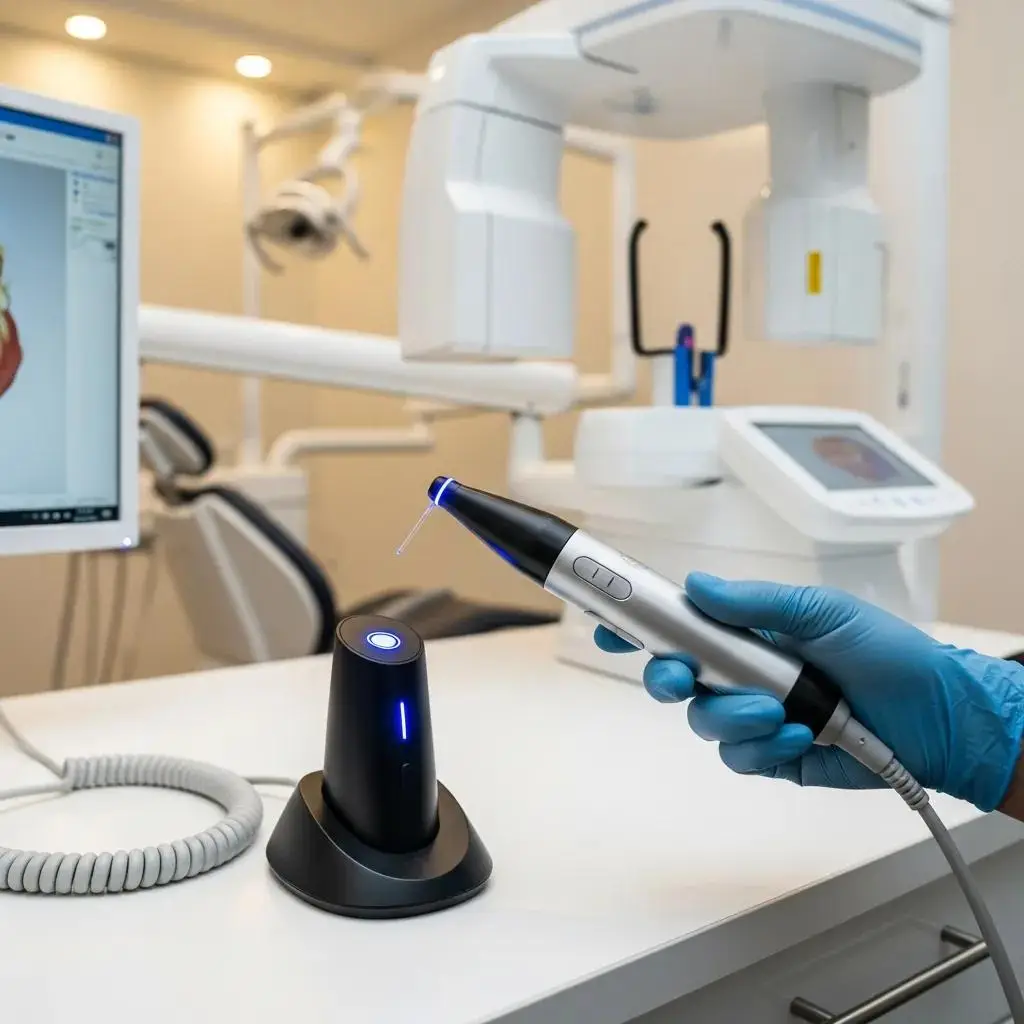
How Advanced Dental Technology Improves Patient Comfort
By: Omar X. Villavicencio, DDS
Modern dentistry is changing how patients feel about dental visits. New technologies focus on reducing anxiety and discomfort, while making care faster and more precise. In this article, we explain how tools like digital imaging, lasers, and 3D scanning improve comfort and streamline treatment. We’ll also share how Dr. Omar Villavicencio and the team at People First Dentistry use these advances to tailor care and make patients feel truly cared for.
Patient Comfort
Comfort is central to good dental care — it affects how patients feel during visits and how they recover afterward. Modern dental technologies address common sources of pain and stress, from sedation options to minimally invasive techniques and devices like DentalVibe that ease injection discomfort. When comfort is prioritized, patients are more likely to get the care they need without fear.
At People First Dentistry, Dr. Omar Villavicencio and his team make comfort a practice-wide priority. They use up-to-date technology and thoughtful techniques so you can feel relaxed and confident throughout your visit, which supports better treatment and outcomes.
Innovative Tools
New tools in dentistry are designed to make treatment quicker, more accurate, and more comfortable. Digital impressions, Cone Beam CT imaging, and 3D printing reduce chair time and help create better-fitting restorations, so your appointments are smoother and more predictable.
Digital Impressions
Digital impressions replace traditional putty molds with a quick, comfortable scan of your mouth. They remove the mess and gagging risk of older methods, speed up the lab process, and deliver more accurate results.
Cone Beam CT Imaging
Cone Beam CT gives a 3D view of your teeth and jaw, so dentists can diagnose issues and plan treatment with precision. That reduces guesswork and often eliminates extra or exploratory procedures, which translates to less time and stress for you.
3D Printing
3D printing lets practices produce crowns, guides, and models faster and with high accuracy. Custom appliances fit better and are ready sooner, which improves comfort and shortens treatment timelines.
Treatment Efficiency
When practices combine advanced tools with skilled clinicians, treatments become more efficient and effective. Technologies like digital X-rays and ultrasonic scalers improve diagnostics and make common procedures gentler and quicker.
Digital X-Rays
Digital X-rays deliver instant images with far less radiation than traditional film. That means quicker diagnoses and safer imaging for you, plus clearer visuals to discuss treatment options together.
Ultrasonic Cleanings
Ultrasonic scalers use high-frequency vibrations to remove plaque and tartar more comfortably than scraping alone. Many patients find cleanings quicker and less uncomfortable with this approach.
How Do Digital Dental Imaging Technologies Improve Patient Comfort?
Digital imaging tools — from intraoral cameras to digital X-rays — help patients understand their own oral health by showing real-time images. Seeing the issue on-screen reduces uncertainty and anxiety, and speeds up decision-making and treatment planning.
What Are the Benefits of Digital X-Rays Compared to Traditional Methods?
Digital X-rays offer clear advantages:
- Speed and Efficiency: Images are available immediately, so we can diagnose and plan treatment faster.
- Reduced Radiation Exposure: Digital methods use much less radiation than conventional film X-rays.
- Immediate Feedback: We can show you the images right away, which helps you understand your diagnosis and feel involved in treatment choices.
How Do Intraoral Cameras Enhance Diagnosis and Patient Understanding?
Intraoral cameras capture close-up, high-resolution images of teeth and gums. When you see the pictures on a monitor, it’s easier to follow along with your diagnosis and treatment options. That transparency builds trust and helps you make informed decisions.
What Role Does Laser Dentistry Technology Play in Minimizing Treatment Discomfort?
Laser dentistry uses focused light to perform many procedures with precision and less trauma to surrounding tissues. That often reduces or eliminates the need for deeper anesthesia and leads to a gentler, more comfortable experience.
How Does Laser Dentistry Reduce Pain and Promote Faster Healing?
Because lasers are minimally invasive, they typically cause less bleeding, swelling, and postoperative pain. Many patients recover more quickly and resume normal activities sooner.
Clinical studies also support lasers’ role in pain control and healing.
Laser Therapy for Postoperative Pain & Enhanced Healing
Low-level laser therapy has been shown to reduce postoperative pain and inflammation, supporting faster healing and better outcomes after dental procedures.
Effectiveness of Low-Level Laser Therapy in reducing postoperative pain after dental implant surgery: A randomized clinical trial, JB Allende, 2024
Which Procedures Benefit Most from Laser Technology?
Lasers are useful for a range of treatments, including:
- Cavity Removal: Lasers can precisely remove decay while preserving healthy tissue.
- Gum Treatments: They treat infected tissue effectively and promote healing.
- Teeth Whitening: Lasers can accelerate whitening for faster, noticeable results.
How Does 3D Dental Scanning Contribute to Precise and Comfortable Treatments?
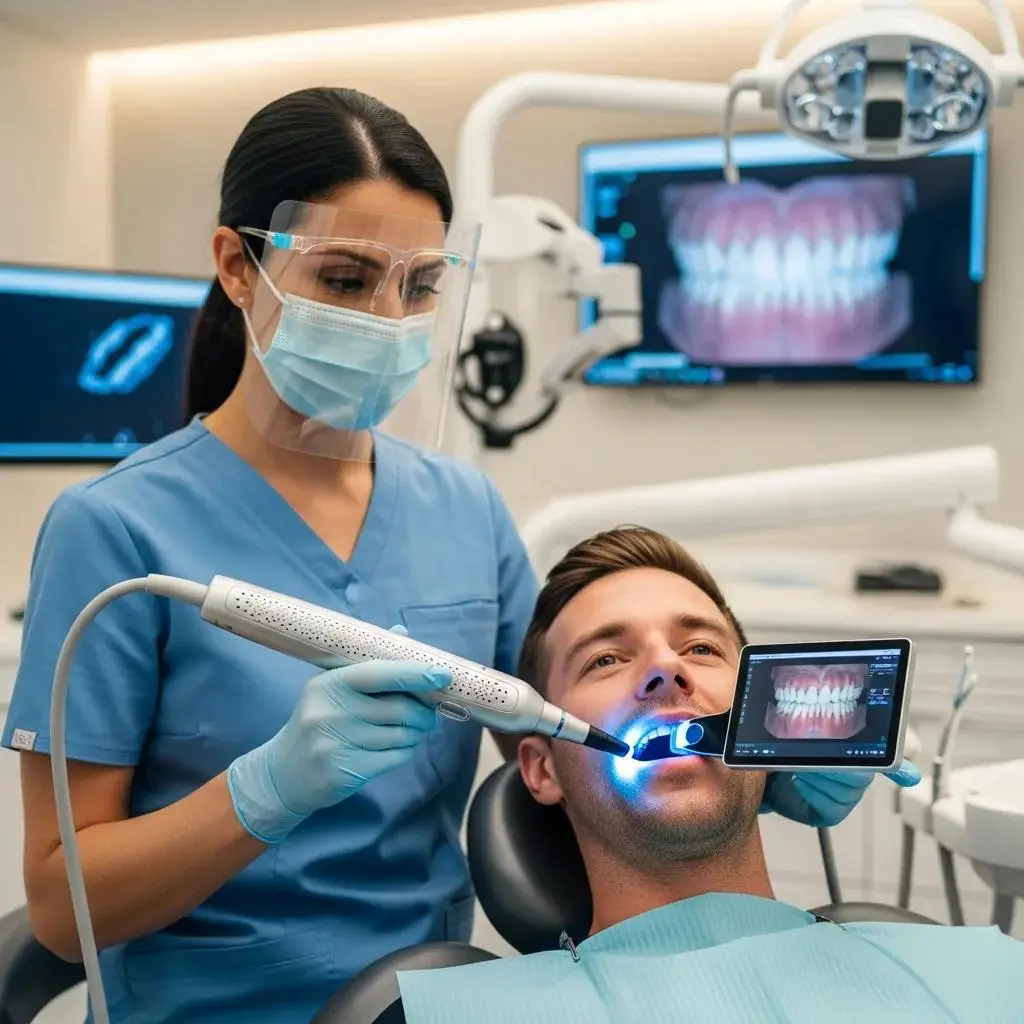
3D scanning captures detailed digital models of your mouth, so restorations and appliances fit more accurately. That precision reduces adjustments and makes treatments more comfortable and predictable.
What Advantages Does 3D Scanning Offer Over Conventional Impressions?
3D scanning brings clear benefits:
- Comfort: Scans are less intrusive than traditional molds and avoid the gag reflex many people experience.
- Efficiency: The process is quick, which means less time in the chair.
- Enhanced Treatment Planning: Detailed digital models help us plan treatments more accurately and tailor care to your needs.
How Does 3D Technology Improve Treatment Planning and Patient Outcomes?
With 3D visuals, dentists can see complex anatomy more clearly and design individualized treatment plans. That leads to better-fitting appliances, fewer surprises, and improved results.
The widespread adoption of 3D scanning and printing has reshaped diagnosis and planning, improving both speed and accuracy.
3D Scanning Revolutionizes Dental Diagnosis & Planning
3D scanning and 3D printing have introduced new possibilities in dentistry, improving the speed and accuracy of diagnosis and treatment planning.
Accuracy of digital face scans obtained from 3
D scanners: an in vitro study, P Amornvit, 2019
What Patient Comfort Innovations Are Integrated with Advanced Dental Technologies?
Comfort-focused innovations are often combined with advanced tools. Examples include:
- 3D Guided Surgery: Enhances surgical precision, which can shorten recovery and reduce discomfort.
- Robotic-Assisted Implant Placement: Improves placement accuracy and can lead to gentler procedures.
- Digital Impressions: As noted, they remove messy molds and improve the overall patient experience.
Which Tools and Techniques Reduce Anxiety and Enhance Comfort?
Several approaches help patients feel calmer and more comfortable:
- Sedation Options: From mild sedation to deeper options, these help nervous patients relax during treatment.
- DentalVibe: This device uses gentle vibration to reduce injection discomfort and anxiety.
- Topical Anesthetics: Applied before injections or procedures to numb the area and minimize pain.
How Does People First Dentistry Personalize Care Using Technology?
At People First Dentistry, Dr. Omar Villavicencio and the team pair advanced technology with a patient-first approach. They use digital impressions, targeted sedation plans, and modern diagnostic tools to match each treatment to a patient’s needs and comfort level. The result is a welcoming environment where care is personal, efficient, and focused on your well-being.
People First Dentistry
At People First Dentistry, serving Pinecrest, Kendall, Coconut Grove, Coral Gables, and other South Florida communities, we really do put patients first! Learn More

