


Root Canals vs. Tooth Extractions: A Guide to Infections
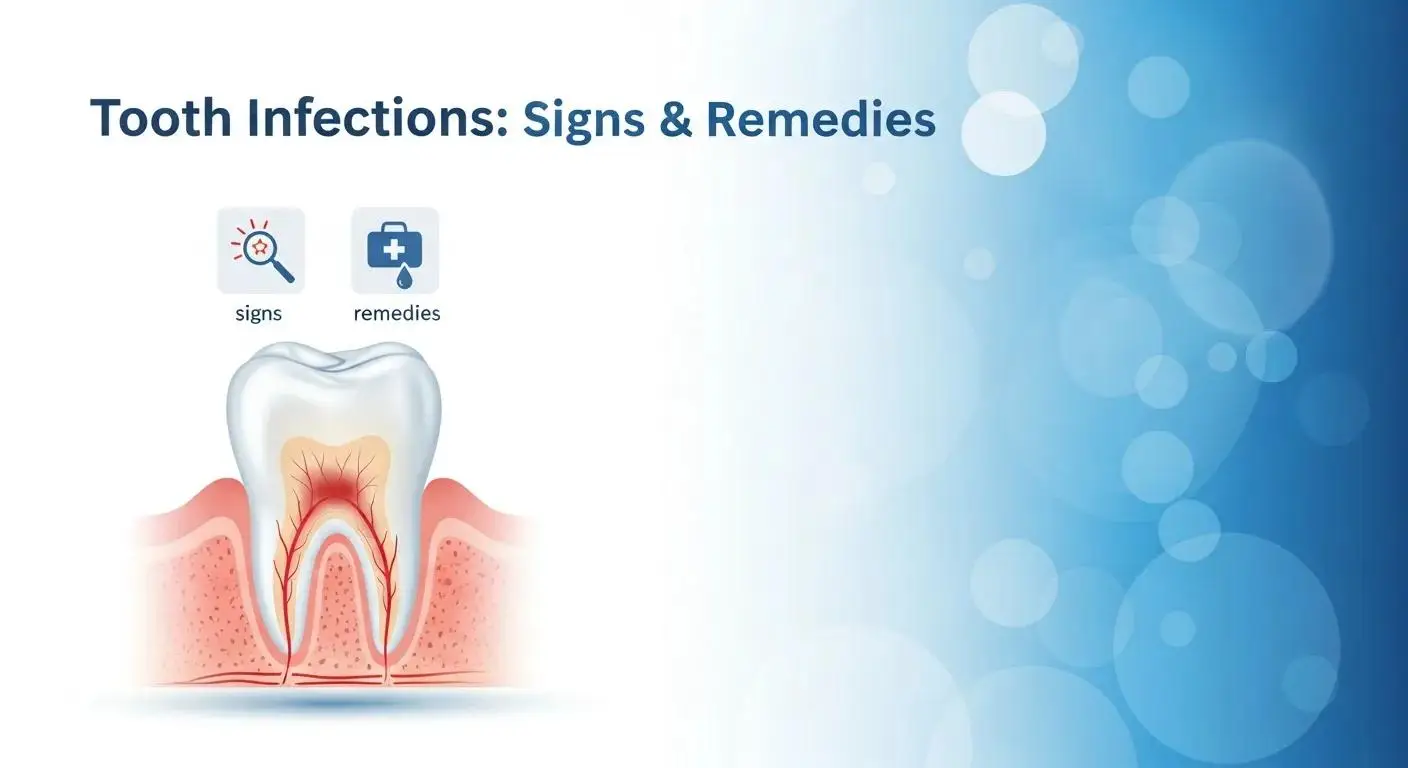
Tooth Infections: Symptoms & Solutions
Tooth infections, often resulting from untreated cavities or gum disease, can lead to significant discomfort and serious health issues if not addressed promptly. This article aims to provide a comprehensive understanding of tooth-related infections, including their symptoms, effective treatments, and potential complications. Readers will learn how to recognize the signs of a tooth infection, explore various treatment options, and understand the importance of timely intervention. By the end of this guide, you will be equipped with the knowledge to manage tooth infections effectively and prevent further complications.
What Are the Common Symptoms and Signs of Tooth Infections?
Tooth infections manifest through various symptoms that indicate the presence of an underlying issue. Recognizing these signs early is crucial for effective treatment and recovery. Common symptoms include pain, swelling, and fever, which can vary in intensity based on the severity of the infection. Early recognition allows for timely intervention, potentially preventing more severe complications.
How to Recognize Tooth Infection Symptoms Like Pain and Swelling
Pain intensity can indicate the severity of the infection, often starting as a dull ache that can escalate to sharp, throbbing pain. Swelling may occur in the gums or face, signaling the body’s response to infection. Additionally, fever can be a systemic response, indicating that the body is fighting an infection. Understanding these symptoms is essential for seeking appropriate dental care.
Which Treatment Options Are Effective for Dental Abscess and Tooth Infections?
When it comes to treating tooth infections, several effective options are available. The choice of treatment often depends on the infection’s severity and the specific circumstances surrounding the patient’s dental health. Common treatments include “root canal therapy”, antibiotics, and, in severe cases, tooth extractions. At People First Dentistry, Dr. Omar Villavicencio emphasizes personalized treatment plans to ensure the best outcomes for each patient.
How Does Root Canal Therapy Treat Tooth Infections?
Root canal therapy is a common treatment for tooth infections, particularly when the infection has reached the pulp of the tooth. This procedure involves removing the infected tissue, cleaning the root canals, and sealing them to prevent future infections. By preserving the natural tooth, root canal therapy helps maintain dental function and aesthetics. Recovery time varies based on individual cases, but many patients experience significant relief shortly after the procedure. Dr. Omar Villavicencio at People First Dentistry is experienced in performing root canal therapy with a focus on patient comfort and long-term dental health.
When Are Antibiotics Necessary for Tooth Infection Management?
Antibiotics play a crucial role in managing tooth infections, particularly when the infection is bacterial. They are not effective against viral infections, making proper diagnosis essential before prescribing antibiotics. Understanding when “antibiotics are necessary” can help prevent complications and ensure effective treatment.
The effectiveness of antibiotics in treating dental abscesses further solidifies their role in managing these infections.
Antibiotic Efficacy for Submucous Dental Abscesses
Furthermore, we have demonstrated its efficacy in vivo for the treatment of submucous layer dental abscesses, confirming its penetration into tissue in the oral cavity (24).
Comparative efficacies of amoxicillin, clindamycin, and moxifloxacin in prevention of bacteremia following dental extractions, I Tomás Carmona, 2006
What Are the Common Antibiotics Prescribed for Dental Infections?
Common antibiotics prescribed for dental infections include amoxicillin, which is frequently used due to its effectiveness against a wide range of bacteria. Clindamycin serves as an alternative for patients allergic to penicillin. The dosage and duration of antibiotic treatment depend on the infection’s severity and the patient’s overall health.
Comparative studies provide valuable insights into the clinical efficacy of different antibiotic regimens for odontogenic infections.
Amoxicillin/Clavulanic Acid vs. Clindamycin for Odontogenic Infections
the comparison of clinical efficacy of amoxicillin/clavulanic acid with clindamycin in subjects with acute odontogenic infection with or without abscess. This efficacy endpoint was based
Amoxicillin/clavulanic acid for the treatment of odontogenic infections: a randomised study comparing efficacy and tolerability versus clindamycin, 2015
How Long Do Antibiotics Take to Work for Tooth Infections?
Antibiotics typically start working within 24-72 hours, providing relief from symptoms as the body responds to the medication. However, it is crucial to complete the full course of antibiotics as prescribed, even if symptoms improve. If symptoms persist beyond the expected timeframe, consulting a dentist is essential to reassess the situation.
What Are the Potential Complications of Untreated Tooth Infections?
Untreated tooth infections can lead to severe complications, including the formation of dental abscesses and systemic issues. The risk of complications increases significantly if the infection spreads beyond the tooth and surrounding tissues.
How Can Tooth Infections Lead to Dental Abscess and Systemic Issues?
Dental abscesses can cause severe pain and swelling, often requiring immediate dental intervention. If left untreated, infections may spread to other parts of the body, leading to more serious health concerns such as sepsis or Ludwig’s angina. Early treatment is crucial to prevent these complications and ensure a swift recovery.
The severe and potentially fatal outcomes of untreated infections, such as Ludwig’s angina, highlight the critical importance of prompt medical attention.
Fatal Ludwig’s Angina: Lethal Odontogenic Infection Complications
Without treatment, submandibular space infections can be life threatening and progression to death can be swift. These cases demonstrate the lethal effects of odontogenic
Fatal Ludwig’s angina: cases of lethal spread of odontogenic infection, 2018
How Can Tooth Infection Prevention and Aftercare Improve Recovery?
Preventing tooth infections involves maintaining good oral hygiene and regular dental check-ups. Aftercare following treatment is equally important to ensure proper healing and prevent recurrence.
What Are Best Practices for Post-Treatment Care and Infection Prevention?
Best practices for post-treatment care include following the dentist’s instructions carefully, avoiding hard foods immediately after treatment, and monitoring for any signs of complications. Regular dental visits and maintaining good oral hygiene can significantly reduce the risk of future infections. Dr. Omar Villavicencio and the team at People First Dentistry are dedicated to guiding patients through effective aftercare to promote optimal recovery.
Different treatment options for tooth infections provide various benefits and outcomes. Understanding these options can help patients make informed decisions about their dental health.
This comparison highlights the importance of choosing the right treatment based on the specific circumstances of the infection. By understanding the available options, patients can work with their dental professionals to determine the best course of action for their oral health.

Dr. Omar Villavicencio is a dedicated general and cosmetic dentist at People First Dentistry in Miami, specializing in patient-first preventative care, emergency, cosmetic, restorative and Implant dentistry.
People First Dentistry
At People First Dentistry, serving Pinecrest, Kendall, Miami, Coral Gables, and other South Florida communities, we really do put patients first! Meet Dr. Omar

