


Geographic Tongue: What It Is and When to See a Dentist

Geographic tongue can look concerning, but it is usually a harmless condition. A dentist or physician can help identify the pattern and decide whether another oral condition needs to be ruled out.
What Is Geographic Tongue?
Geographic tongue, also called benign migratory glossitis, is a benign inflammatory condition that affects the surface of the tongue. Normally, the tongue is covered with small projections called papillae. With geographic tongue, papillae are temporarily absent in certain areas, creating smooth red patches.
The patches can have a map-like appearance and may change in shape, size, and location over time. They may disappear from one area and later appear elsewhere on the tongue.
What Does Geographic Tongue Look or Feel Like?
Geographic tongue often appears as smooth, red patches with pale, white, or slightly raised borders. Many people have no discomfort. Others may notice burning, tingling, or sensitivity, especially with spicy or acidic foods.
What Causes Geographic Tongue?
The exact cause of geographic tongue is not known. It may be associated with a family history of the condition, fissured tongue, or inflammatory conditions such as psoriasis. These associations do not prove that any one factor causes geographic tongue.
Is Geographic Tongue Dangerous?
Geographic tongue itself is generally benign. It is not contagious, is not an infection, and does not become oral cancer. It does not normally cause difficulty breathing or swallowing, enlarged tonsils, chronic ear infections, or problems caused by excess oral tissue.
Difficulty breathing or swallowing needs prompt medical evaluation because those symptoms are not typical of geographic tongue.
How Is Geographic Tongue Diagnosed?
A dentist or physician can often diagnose geographic tongue by examining the tongue, discussing symptoms, and considering the appearance and changing pattern of the patches. Additional evaluation may sometimes be needed when the appearance is atypical or another oral condition needs to be ruled out.
Does Geographic Tongue Need Treatment?
Most cases do not require treatment. If irritation or burning occurs, avoiding foods that aggravate symptoms, including spicy or acidic foods, may help. Persistent discomfort should be evaluated by a dentist or physician so that appropriate symptom management and other possible causes can be discussed.
When Should I See a Dentist?
Schedule an evaluation for a new or unexplained oral change, persistent pain or burning, an ulcer or sore that does not heal, bleeding, a lump, unexplained swelling, symptoms that affect eating or normal activities, or a change that does not resemble previously diagnosed geographic tongue. Seek urgent medical attention for difficulty breathing.
Geographic Tongue and Your Oral Health
Geographic tongue generally does not damage the teeth or gums and usually does not require dental treatment. Dr. Omar Villavicencio can evaluate changes involving the tongue and other oral tissues, explain the findings, and recommend additional evaluation or referral when appropriate.
Have You Noticed a Change in Your Tongue or Mouth?
Changes in the mouth are often harmless, but persistent or unusual findings deserve professional evaluation. Request a dental examination at People First Dentistry, or call (786) 310-3540 if you have concerns about a change involving your tongue or other oral tissues.
Frequently Asked Questions
Is geographic tongue contagious?
No. Geographic tongue is not an infection and cannot be passed from one person to another.
Can geographic tongue become oral cancer?
Geographic tongue itself is a benign condition and does not become oral cancer. However, new or persistent changes in the mouth should still be evaluated so other conditions can be ruled out.
Does geographic tongue hurt?
Many people have no discomfort. Some people experience burning or sensitivity, particularly with spicy or acidic foods.
Does geographic tongue require surgery?
No. Geographic tongue ordinarily does not require surgery, and most cases require no treatment.
Can geographic tongue go away?
Individual patches can disappear and later return or appear in another part of the tongue.
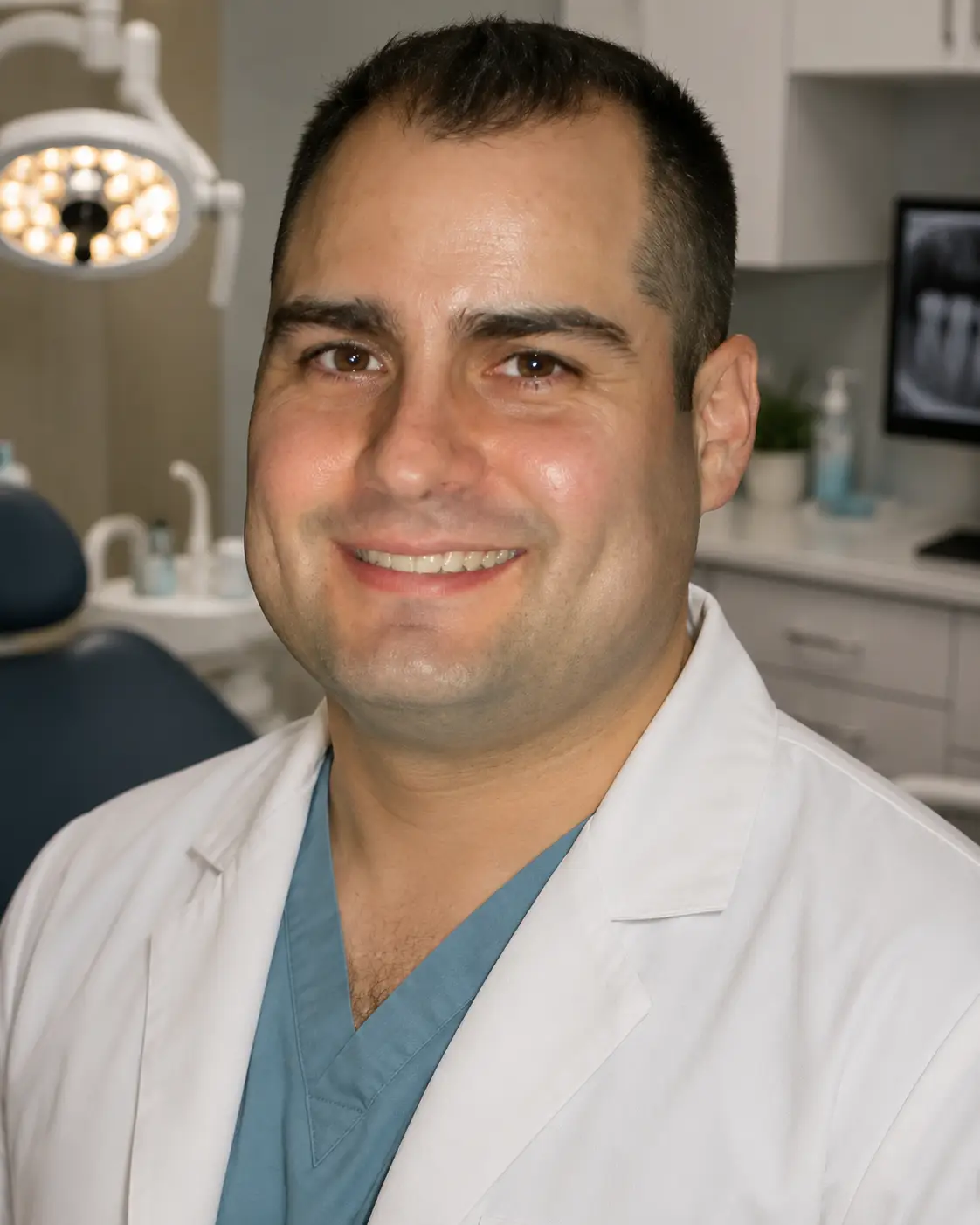
Dr. Omar Villavicencio is a dedicated general and cosmetic dentist at People First Dentistry in Miami, specializing in patient-first preventative care, emergency, cosmetic, restorative and Implant dentistry.
People First Dentistry
At People First Dentistry, serving Pinecrest, Kendall, Miami, Coral Gables, and other South Florida communities, we really do put patients first! Meet Dr. Omar

